Mental Health Awareness
Mental health is a critical part of overall well-being and plays a major role in how young people learn, connect, cope, and make decisions. Stress, anxiety, depression, and emotional overwhelm are increasingly common among youth, and when left unaddressed, these challenges can increase the risk of substance use and other harmful behaviors.
Northwest Hills Prevention Connection works to promote mental wellness through education, early awareness, and community connection – helping youth and families recognize concerns early and know where to turn for support.
Mental Health & Youth Today
Youth face growing pressures from school, social expectations, family stress, and constant digital connection. While some stress is a normal part of growing up, ongoing emotional distress can interfere with daily life, relationships, and decision-making.
NHPC focuses on strengthening protective factors such as connection, coping skills, trusted adults, and supportive environments. Supporting mental health early helps youth build resilience and reduces long-term risk.
Signs A Young Person May Be Struggling
Mental health challenges can show up in many ways.
Some common warning signs include:
- Persistent sadness, anxiety, or mood changes
- Withdrawal from friends, family, or activities
- Changes in sleep, appetite, or energy
- Difficulty concentrating or changes in school performance
- Increased irritability, risk-taking, or substance use
These signs are not failures. They are signals that support may be needed.

Suicide Awareness and Prevention
Talking openly about mental health and suicide saves lives. Recognizing warning signs and responding early can make a critical difference.
Warning signs may include expressions of hopelessness, talking about wanting to disappear, drastic mood changes, or increased substance use. If you are concerned about someone, trust your instincts and reach out. Asking directly about suicidal thoughts does not increase risk – it opens the door to support.
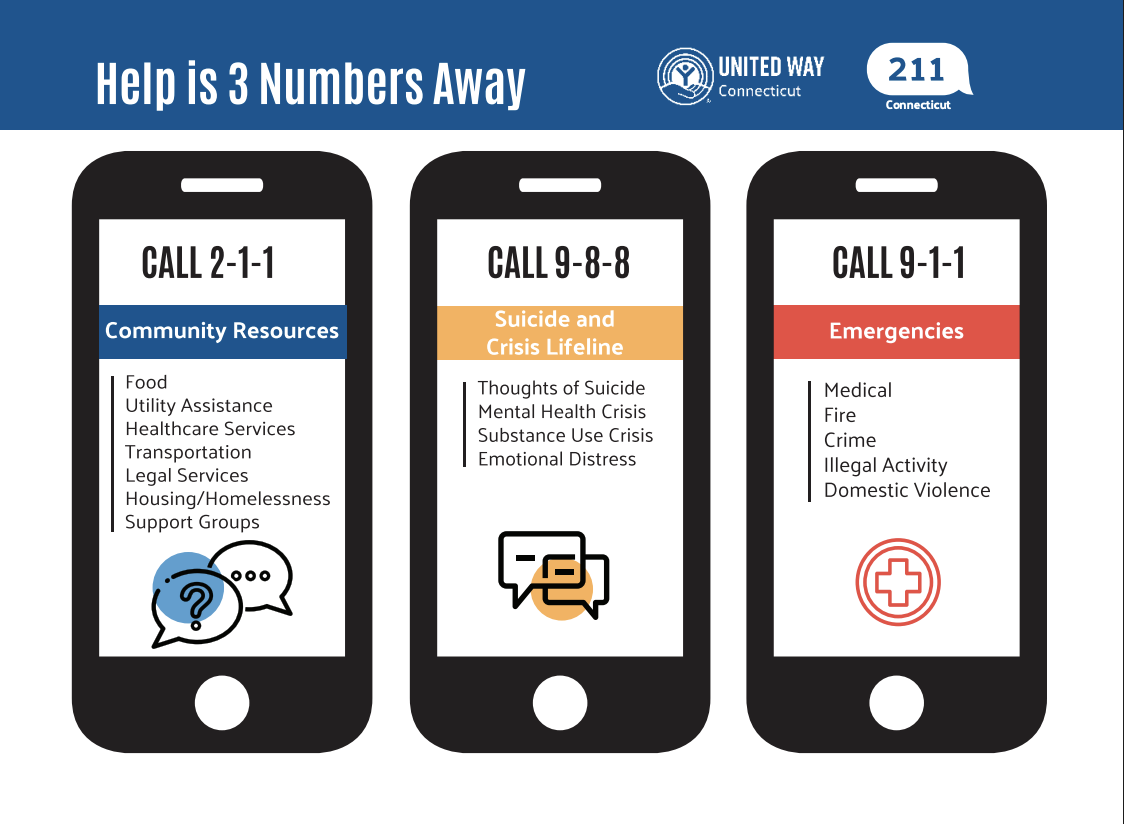
If someone is in immediate danger, call 911.
The 988 Suicide & Crisis Lifeline (formerly known as the National Suicide Prevention Lifeline) is a network of more than 200 state and local call centers funded by the U.S. Department of Health and Human Services (HHS) through Substance Abuse and Mental Health Services Administration (SAMHSA) and administered by Vibrant Emotional Health.
Studies have shown that after speaking with a trained crisis counselor, most people served by the Lifeline are significantly more likely to feel less depressed, less suicidal, less overwhelmed and more hopeful.
To reach the 988 Suicide and Crisis Lifeline, people can call or text 988 or chat at www.988lifeline.org.