Opioid & Prescription Drug Awareness
Opioid and Prescription Drug Misuse: What Families Need to Know
Opioids and prescription medications can play an important role in treating pain and certain medical conditions when used exactly as prescribed. However, when medications are misused, shared, or taken without a prescription, they can pose serious risks, especially for youth and teens.
Young people are often first exposed to opioids and other prescription drugs through medicine cabinets at home, from friends, or through pills that appear legitimate but are not. What may begin as curiosity or experimentation can quickly escalate into dependence, addiction, or overdose.

FREE Narcan Training
We provide Narcan training to community members, organization, business and schools at no cost. Reach out to schedule a time.
Opioid Abuse in Youth
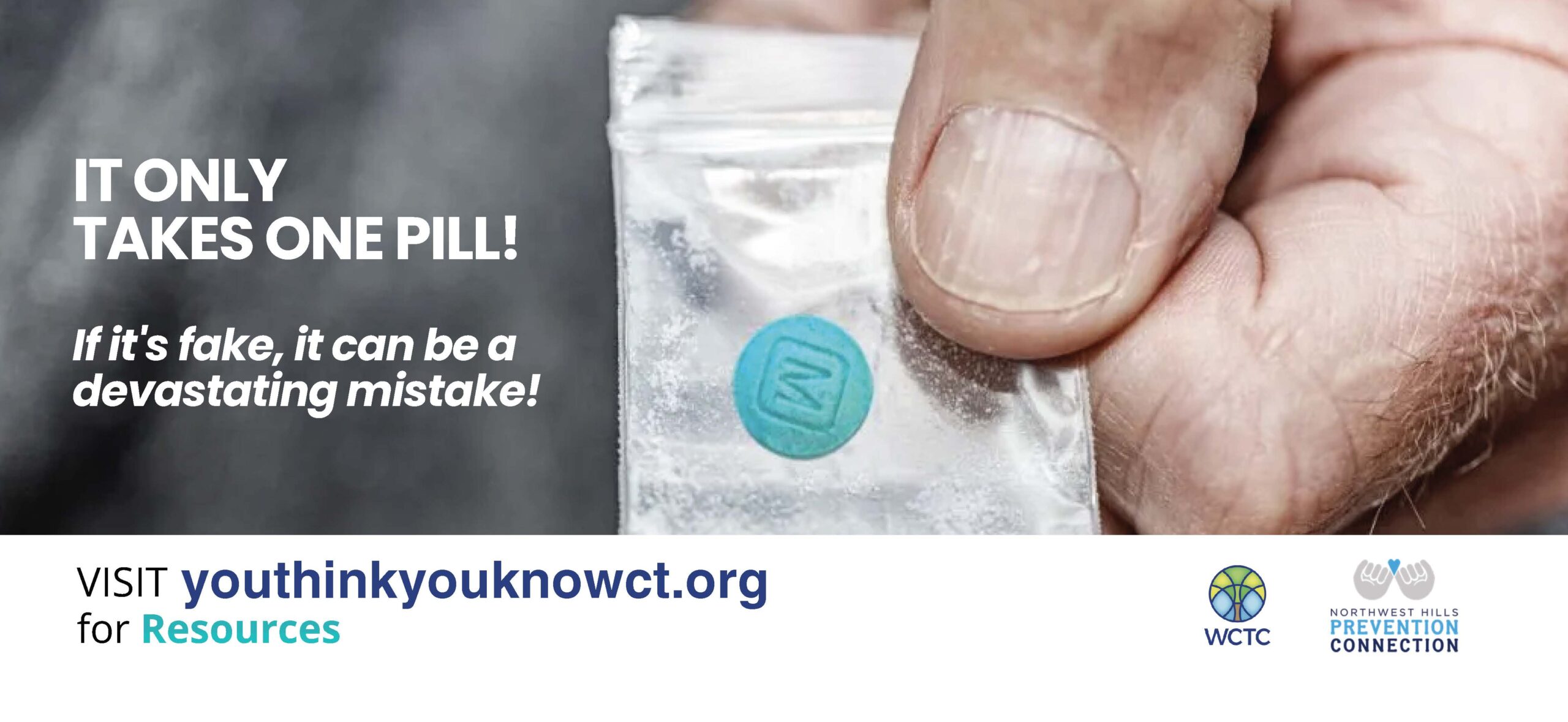
It only takes one pill to cause serious harm.
Youth and teen brains are still developing, which makes them more vulnerable to the effects of opioids and other prescription drugs. Even occasional misuse can interfere with brain development, decision-making, and impulse control.
In recent years, the risk has increased due to the rise of counterfeit pills. These fake pills are often made to look like common prescription medications but may contain fentanyl or other dangerous substances. Many people who experience an overdose believe they are taking a legitimate prescription drug.
Prescription Drug Misuse Starts at Home
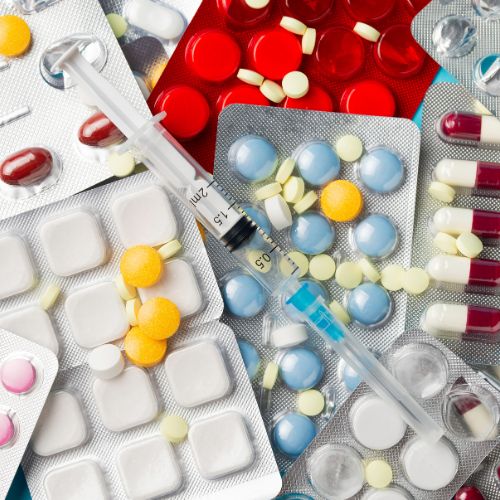
Prescription drug misuse does not always involve illegal drugs. In many cases, it begins with medications that were legally prescribed but not properly stored, monitored, or disposed of.
Common examples of prescription drug misuse include:
- Taking medication that was prescribed for someone else
- Using a prescription for reasons other than intended
- Taking higher doses or using medication more often than prescribed
- Mixing medications with alcohol or other substances
When medications are easily accessible, youth may underestimate the risks, assuming prescription drugs are safer than illegal substances. In reality, misuse of prescription drugs can be just as dangerous and, in some cases, more deadly.
Preventing misuse starts with safe storage, open conversations, and responsible disposal of unused medications.
Naloxone Saves Lives
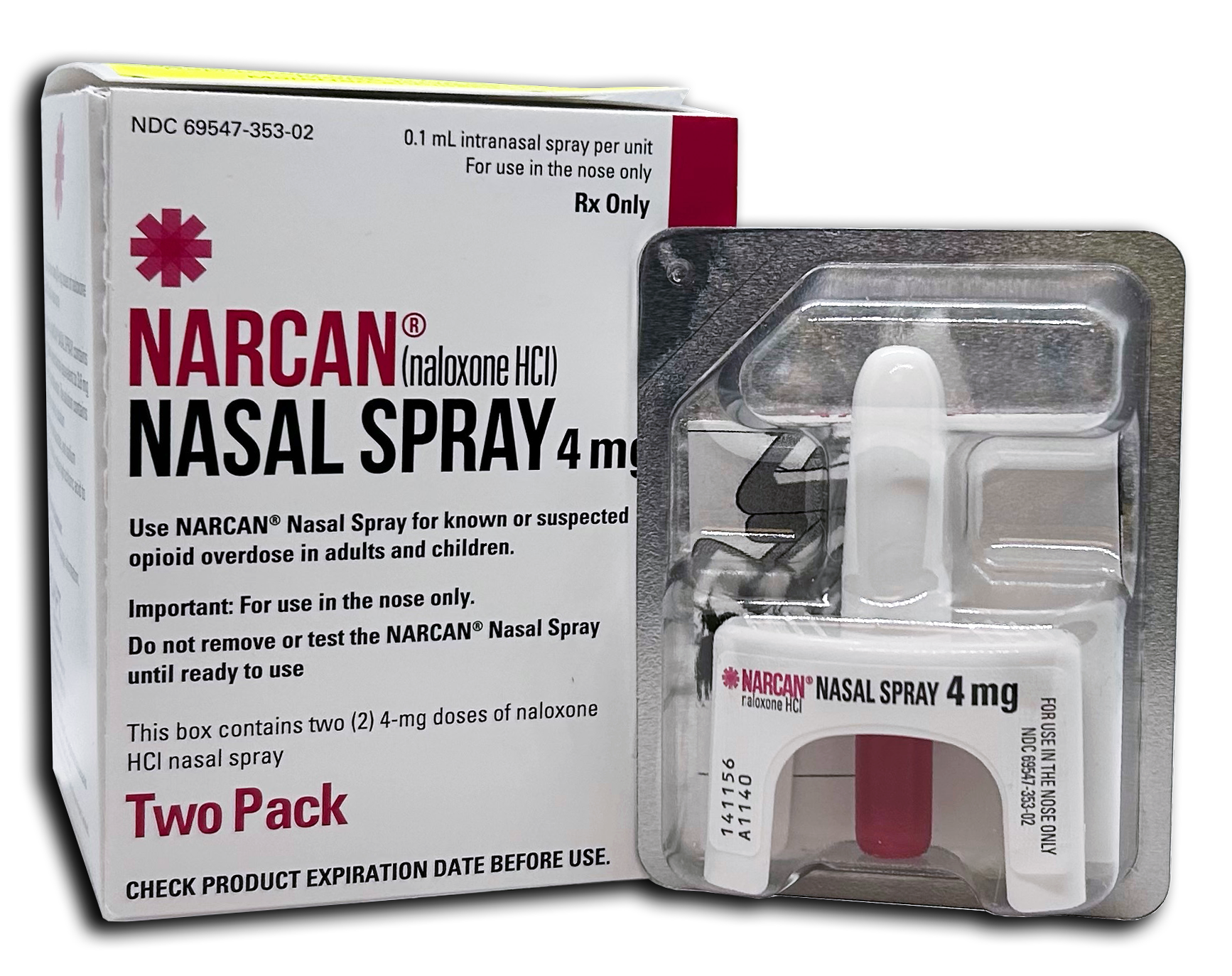
Narcan, generic name Naloxone is a medicine that rapidly reverses an opioid overdose. It is an opioid antagonist. This means that it attaches to opioid receptors and reverses and blocks the effects of other opioids.
Naloxone can quickly restore normal breathing to a person if their breathing has slowed or stopped because of an opioid overdose. But, naloxone has no effect on someone who does not have opioids in their system, and it is not a treatment for opioid use disorder.
Examples of opioids include heroin, fentanyl, oxycodone (OxyContin®), hydrocodone (Vicodin®), codeine, and morphine.
source: NIH
What To Do If You Suspect An Overdose
Signs Of An Opioid Overdose
- Small, constricted “pinpoint” pupils
- Falling asleep or losing consciousness
- Slow, shallow, or stopped breathing
- Choking or gurgling sounds
- Limp or unresponsive body
- Cold or clammy skin
- Blue or gray coloring around lips and fingernails
What To Do Right Away
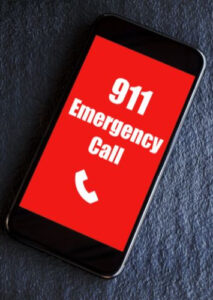 Call 911 immediately. Emergency responders can provide life-saving care.
- Administer naloxone, if available. Naloxone can reverse an opioid overdose and restore breathing.
- Try to keep the person awake and breathing. Speak loudly and monitor their breathing.
- Lay the person on their side. This helps prevent choking.
- Stay with the person until help arrives. Continue monitoring their breathing and responsiveness.
- Call 911 immediately. Emergency responders can provide life-saving care.
- Administer naloxone, if available. Naloxone can reverse an opioid overdose and restore breathing.
- Try to keep the person awake and breathing. Speak loudly and monitor their breathing.
- Lay the person on their side. This helps prevent choking.
- Stay with the person until help arrives. Continue monitoring their breathing and responsiveness.
Resources
Connecticut's Good Samaritan Law
Connecticut’s Good Samaritan Law protects anyone who calls 911 or helps someone experiencing an overdose from arrest for possession of drugs or drug paraphernalia. This law exists to remove fear and encourage people to seek help without hesitation. If someone is overdosing, calling for help is always the right decision.
Local Resources
Community outreach and mobile support services are available throughout Litchfield County.
For resources and support, please call:(860) 256-8111
Litchfield County Opiate Task Force & Community Hope Connection
The Litchfield County Opiate Task Force is a community coalition that reduces opioid addiction and overdoses by connecting people to treatment, recovery support, harm reduction services, and local resources, while promoting prevention and education to support recovery.